The post came in reply to a post from the United Nations Relief and Works Agency (UNRWA), saying that freshwater supplies in Gaza were "severely limited and polluted."
Gaza is receiving over 70,000 cubic meters of water per day, the Coordinator of Government Activities in the Territories (COGAT) claimed in an X/Twitter post on Sunday.
The post came in reply to a post from the United Nations Relief and Works Agency (UNRWA), saying that freshwater supplies in Gaza were "severely limited and polluted," due to a collapse in sewage infrastructure.
COGAT described UNRWA's claims as being "false narratives."
COGAT coordinates Gaza water line repair
"The facts speak for themselves," COGAT said. "When a water line issue was reported last week, we coordinated a rapid repair to restore full functionality immediately."
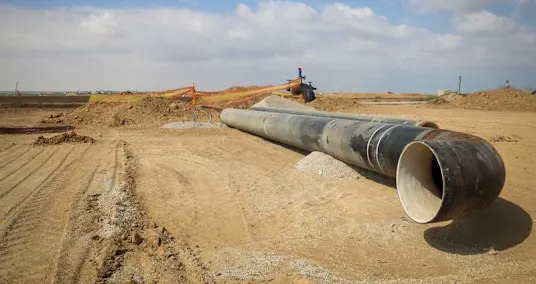
COGAT also said that there were four active pipelines leading into Gaza: Nahal Oz, Bani Suheila, Birkat Sa'id, and the Emirati line.
"While local groundwater faces challenges, we continue to repair infrastructure, even during combat, to ensure civilians access to safe, potable water," COGAT claimed.
LATEST POSTS
- 1
 Do-It-Yourself Home Style on a Careful spending plan: Imaginative Thoughts and Tasks
 - 25 Superstar Couples That Motivate Relationship Objectives
- 3She was the ultimate '90s fitness influencer. Now she's delivering Uber Eats — and rebuilding her life.
- 4Recent studies prove the ancient practice of nasal irrigation is effective at fighting the common cold
- 5CDC vaccine panel votes to remove universal hepatitis B birth dose recommendation


- Tehran synagogue damaged by missile strike according to Iranian media
- AfD faction in western Germany ousts councilman for firebrand speech
- James Webb Space Telescope finds strongest evidence yet for atmosphere around rocky exoplanet: 'It's really like a wet lava ball'
- How to watch ‘The Traitors’ U.K. Season 4 from the U.S.
- Vote In favor of Your Favored Kind Of Organic product
- From record warming to rusting rivers, 2025 Arctic Report Card shows a region transforming faster than expected
- 21 Incredibly Interesting Contemplations To Observe Consistently
- Step by step instructions to Remain Spurred While Chasing after a Web-based Degree
- Who plays Moana in the live-action remake? What to know about Catherine Lagaʻaia.