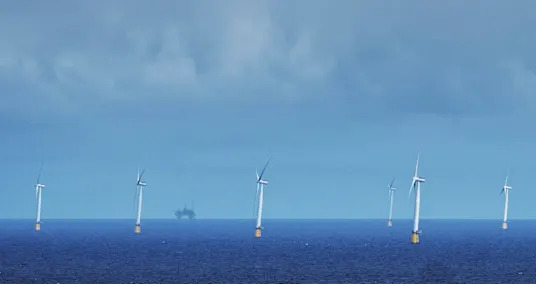
The deepening energy crisis triggered by the US-Israel war with Iran has thrust energy security back onto the political stage in European countries — and widened fault lines along with it.
In the UK — which is particularly vulnerable because of its imports of gas, and which suffered hefty price rises following Russia’s 2022 invasion of Ukraine — attention this time has shifted from diversifying supply away from single countries to a broader push to move beyond fossil fuels, said Annabel Rice, a senior political adviser at the Green Alliance, a London-based think tank. Or at least, that’s the takeaway the governing Labour Party seems to have settled on, casting renewables as more insulated to oil price shocks.
France is similarly leaning towards reducing reliance on hydrocarbons. The country’s prime minister has tasked his cabinet with identifying priority actions to electrify the economy. Others in Europe, such as Italy, have so far opted to double down on fossil fuels to cushion the blow from surging electricity bills. The UK’s opposition Conservative Party is pitching a similar idea, launching a “Get Britain Drilling” campaign this week, pressing to reverse the country’s ban on North Sea oil and gas licenses and claiming it would cut bills significantly.

LATEST POSTS
- 1
 Jamaica reports deadly leptospirosis outbreak after Hurricane Melissa
 - 2Instructions to Pick the Right Toothpaste for Your Dental Requirements
- 3Kuwait is softening stance on Israel, dissident tells ‘Post’ after viral UN speech
- 4Figure out how to Perceive Warnings while Looking for an Auto Collision Lawyer
- 5Virtual reality opens doors for older people to build closer connections in real life





- San Francisco sues 10 companies that make ultraprocessed food
- Posts falsely claim Netanyahu video fabricated to cover up his death
- The most effective method to Decisively Use Open Record Rewards
- Step by step instructions to Recognize the Distinction Between Lab Jewels and Precious stone Simulants
- Living Abroad: Social Inundation and Self-improvement
- Step by step instructions to Contrast Lab Jewels and Regular Ones
- Parents who delay baby's first vaccines also likely to skip measles shots
- 'People We Meet on Vacation' is the 1st of many Emily Henry adaptations: What other books turned movies to look forward to
- Blue Origin launches huge rocket carrying twin NASA spacecraft to Mars