By Nqobile Dludla
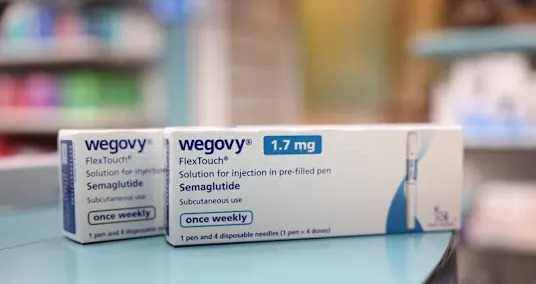
JOHANNESBURG, March 25 (Reuters) - Novo Nordisk is cutting South African prices of its weight-loss drug Wegovy for a second time since it launched in August, local executives said on Wednesday, pointing to fierce competition in a market led by rival Eli Lilly.
The Danish drugmaker launched Wegovy in South Africa in August, when reference pricing was uncertain due to talks with the U.S. administration on its proposed "most-favoured nation" policy linking U.S. drug prices to those in peer countries.
"We were of the view that the prices at the time were not conducive for the South African market," Thabeng Leping, who oversees market access and public affairs for Novo Nordisk South Africa, told Reuters on the sidelines of an event about obesity.
"Because we couldn't delay the launch, we just decided we'll fix it as we go along," he said. "So we reduced our prices in December. We've submitted another reduction of our prices yesterday."
The lowest injected dose of Wegovy has dropped from 3,090 rand ($183) to 1,873 rand, while the highest dose has fallen 27% to 3,746 rand. A further 12% cut to the 1.7 mg dose - the second highest - is awaiting approval, Leping said.
Eli Lilly's rival Mounjaro starts at about 3,600 rand. Its share of the South African market grew to 52% at the end of January, Aspen Pharmacare, the official seller of Mounjaro, said this month, predicting more than 1.3 billion rand ($77 million) in sales in the year through June.
Novo declined to give local sales figures, saying only that its products were doing "extremely well".
Speaking on a panel at the event, Novo South Africa General Manager Sara Norcross said the company intends to introduce its Wegovy pill locally "as soon as possible".
Both Novo and Lilly face competition from unauthorised copycat versions of their drugs, which Norcross said were used by one in two people on weight-loss treatments in South Africa despite adverse outcomes.
Novo has pursued legal action against a local compounder, while the health regulator is moving to classify such products as "undesirable."
($1 = 16.9093 rand)
(Reporting by Nqobile Dludla; editing by Philippa Fletcher)
LATEST POSTS
- 1
 Sweet Taste? Candy Fulfills You
 - 2I went to Japan during peak cherry blossom season and found an easy way to escape the crowds at popular tourist attractions
- 3Doctors say changes to US vaccine recommendations are confusing parents and could harm kids
- 4Metropolitan Greatness: The 6 Urban areas for Quality Living in 2024
- 5Are Saturn's rings made of a lost, shattered moon? New evidence arises for the case





- Banks for High Fixed Store Rates: Amplify Your Reserve funds
- From candy cane fishing to ornament switcharoo, here are some of the best games you can play with your loved ones this holiday season
- Japanese H3 rocket fails during launch of navigation satellite (video)
- Turning to turkey’s tryptophan to boost mood? Not so fast
- Fact Check: Israeli Channel 13, Al Jazeera Did NOT Confirm Hezbollah Captured All Or Part Of Kiryat Shmona
- Roman around the Christmas tree | Space photo of the day for Dec. 25, 2025
- German mid-sized firms gloomy on outlook, survey finds
- Watch Rocket Lab launch Japanese technology-demonstrating satellite to orbit tonight
- Getting through a Lifelong Change: Individual Examples of overcoming adversity